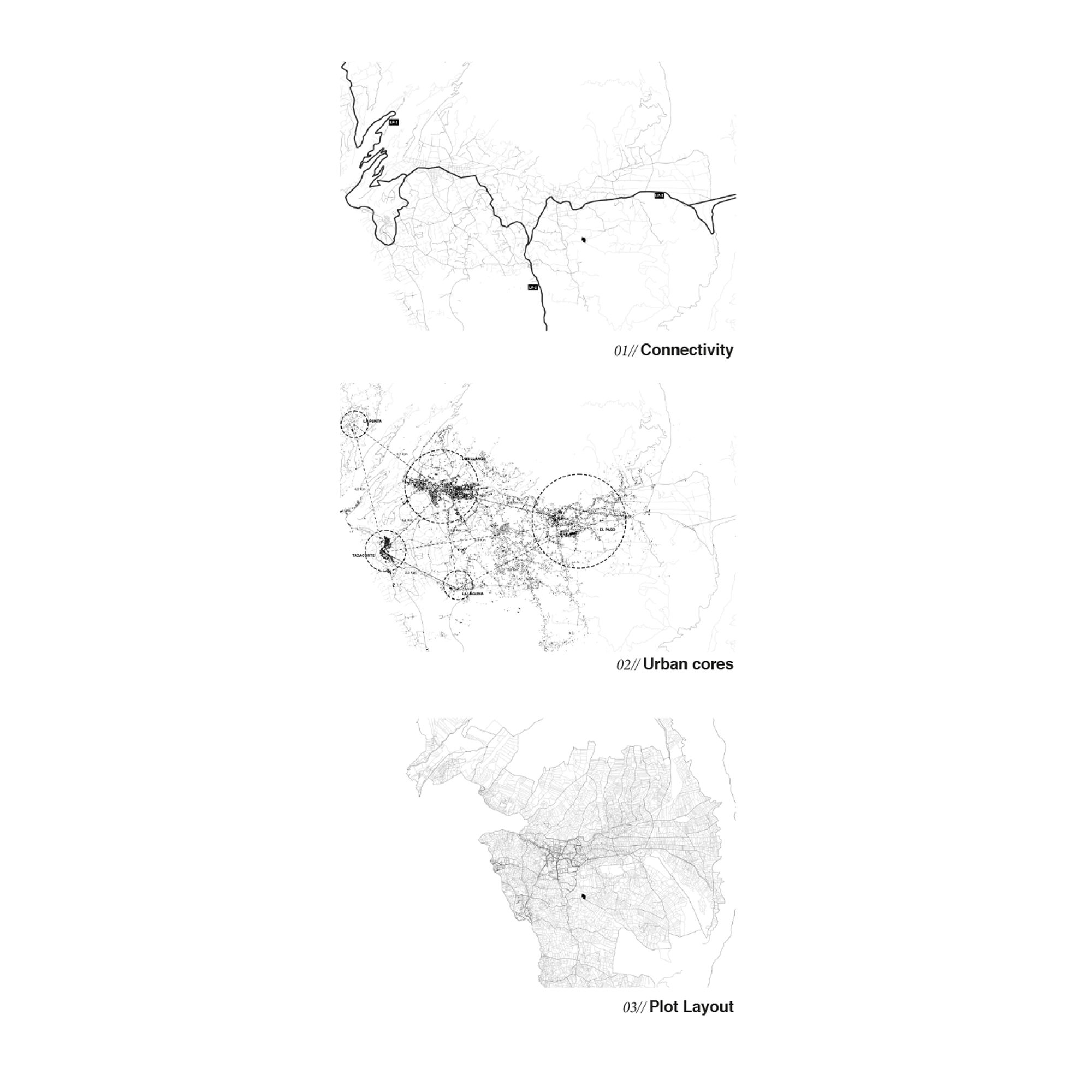
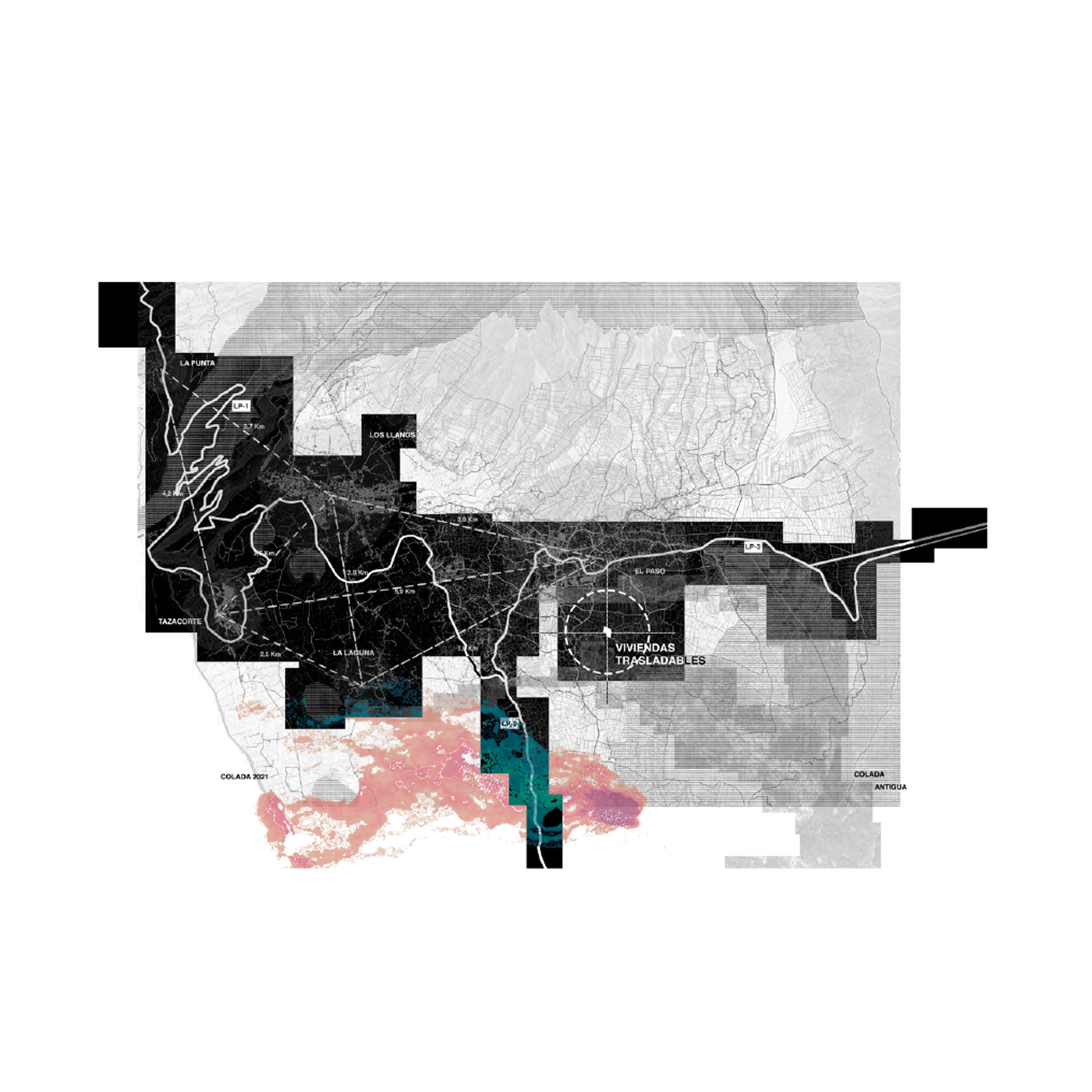
Moving Community is a housing project located on La Palma, in the Canary Islands, conceived in response to the volcanic eruption that displaced hundreds of families and radically transformed the island’s inhabited landscape. Beyond the immediate loss of homes, the event raised a broader architectural question: how should we build and inhabit territories defined by change, uncertainty and the possibility of future disruption?
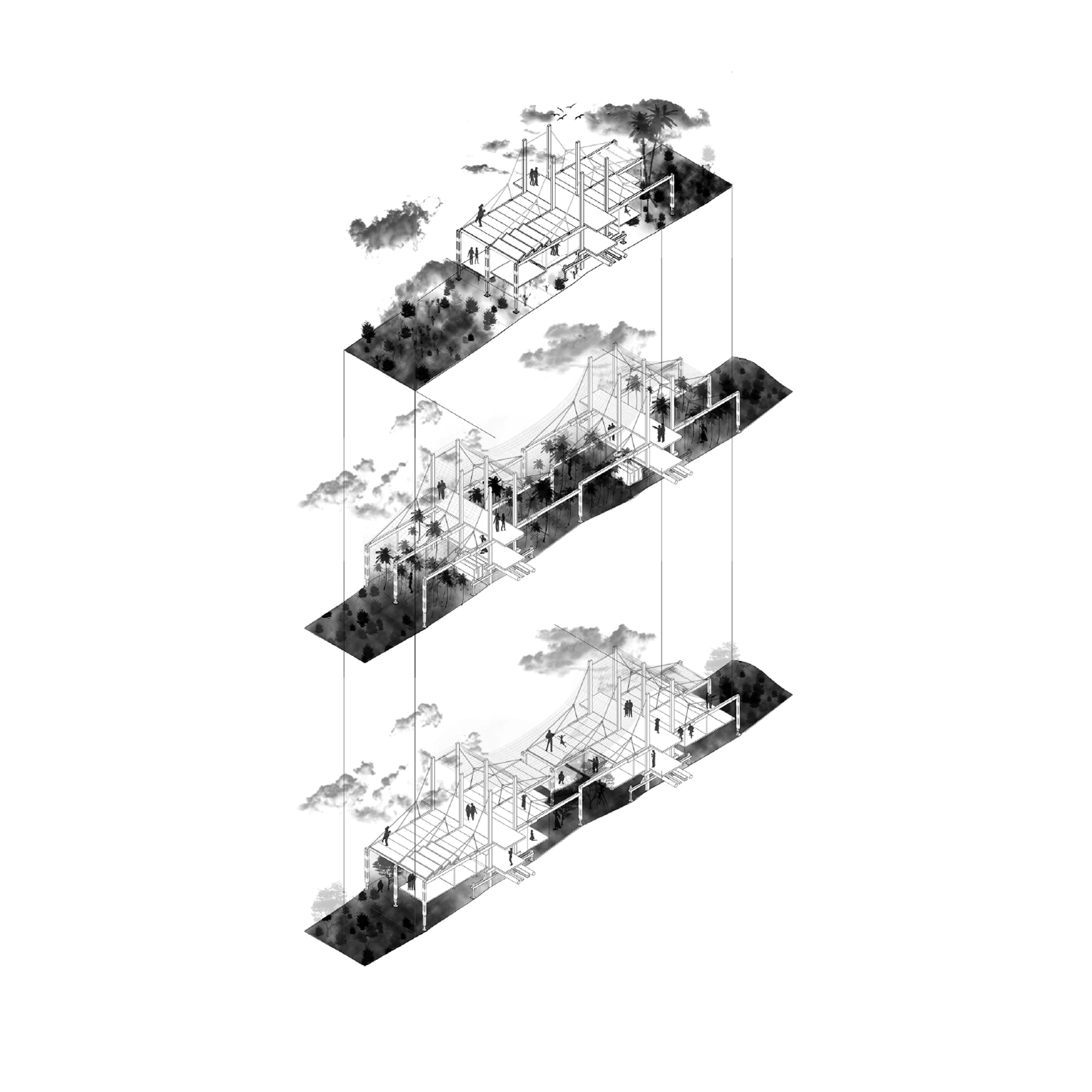
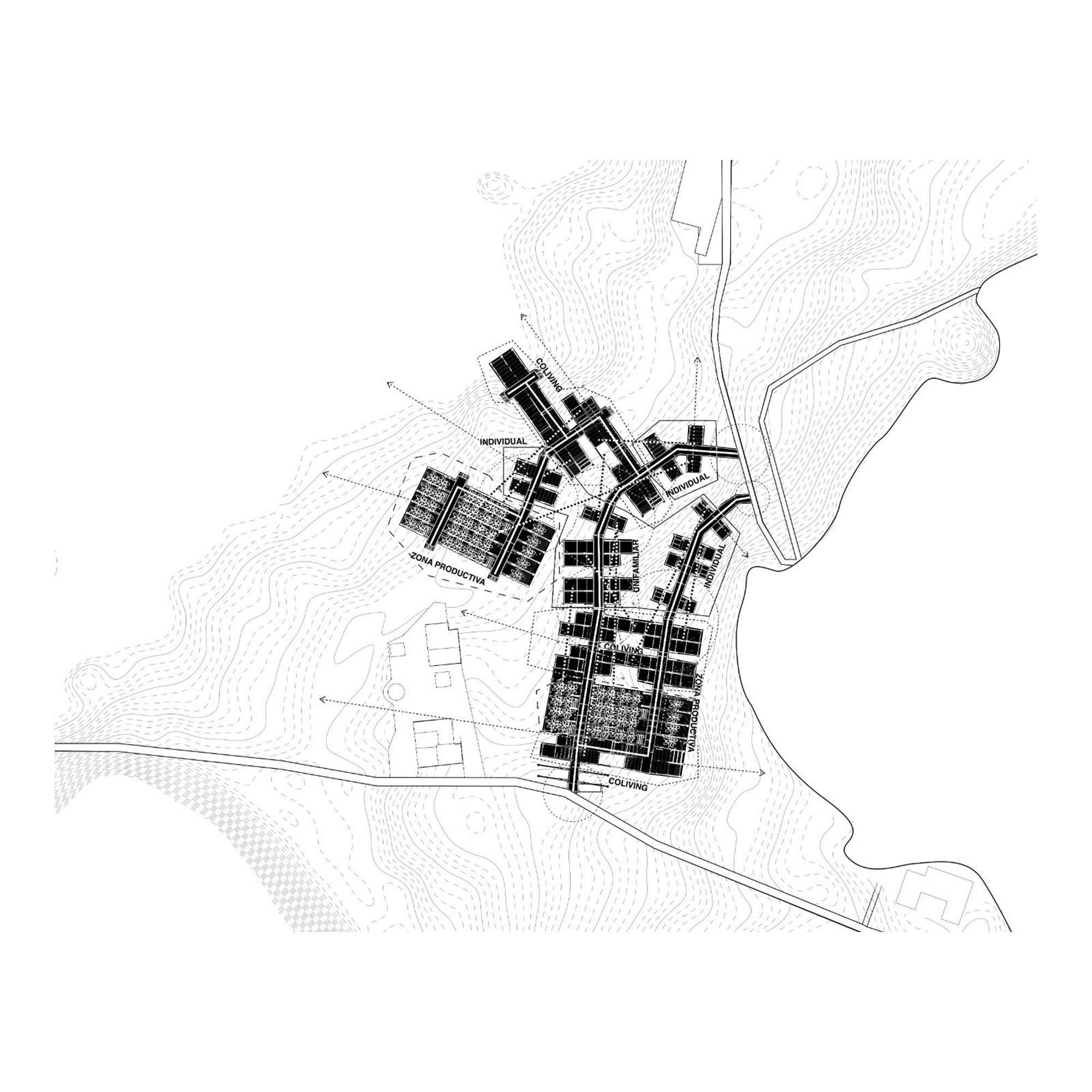
The project proposes an architecture capable of adapting not only to climate, material availability and local culture, but also to the instability of the ground itself. Rather than treating housing as a fixed and permanent object, Moving Community develops a catalogue of modular units—including single-family homes, co-living units, productive spaces and dwellings ranging from one to three bedrooms. All are based on a dry-assembly construction system, allowing components to be dismantled, reconfigured and relocated when circumstances require it.
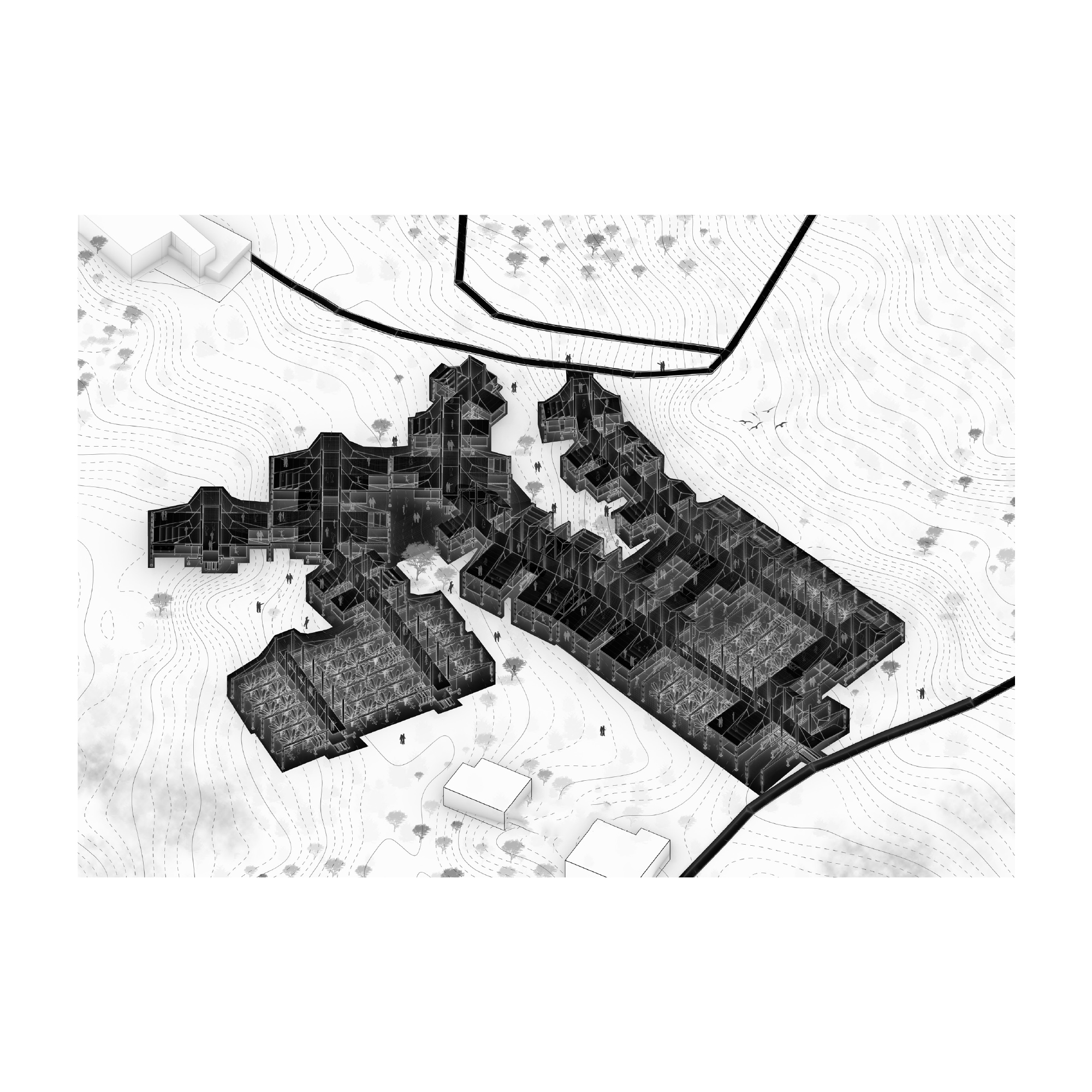
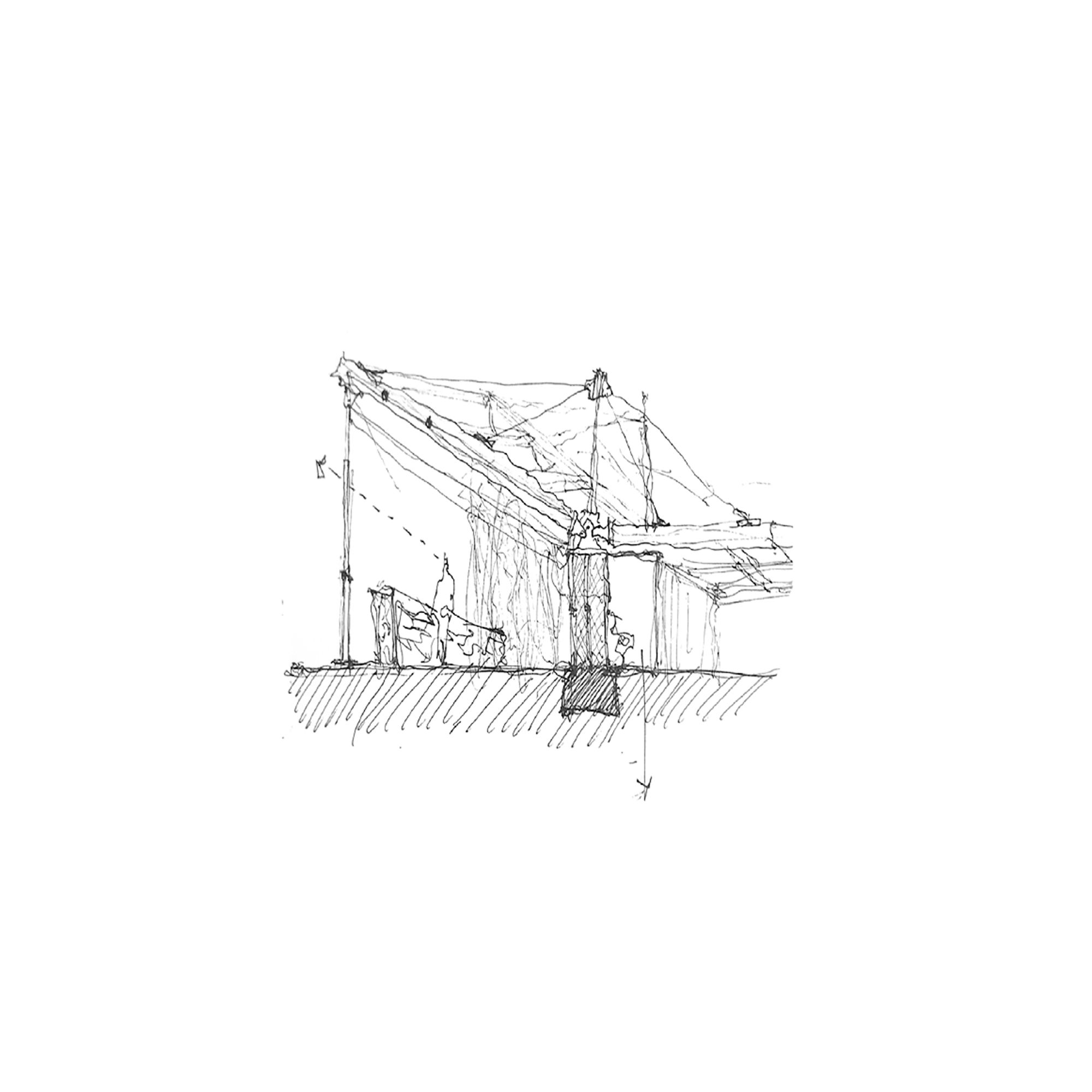
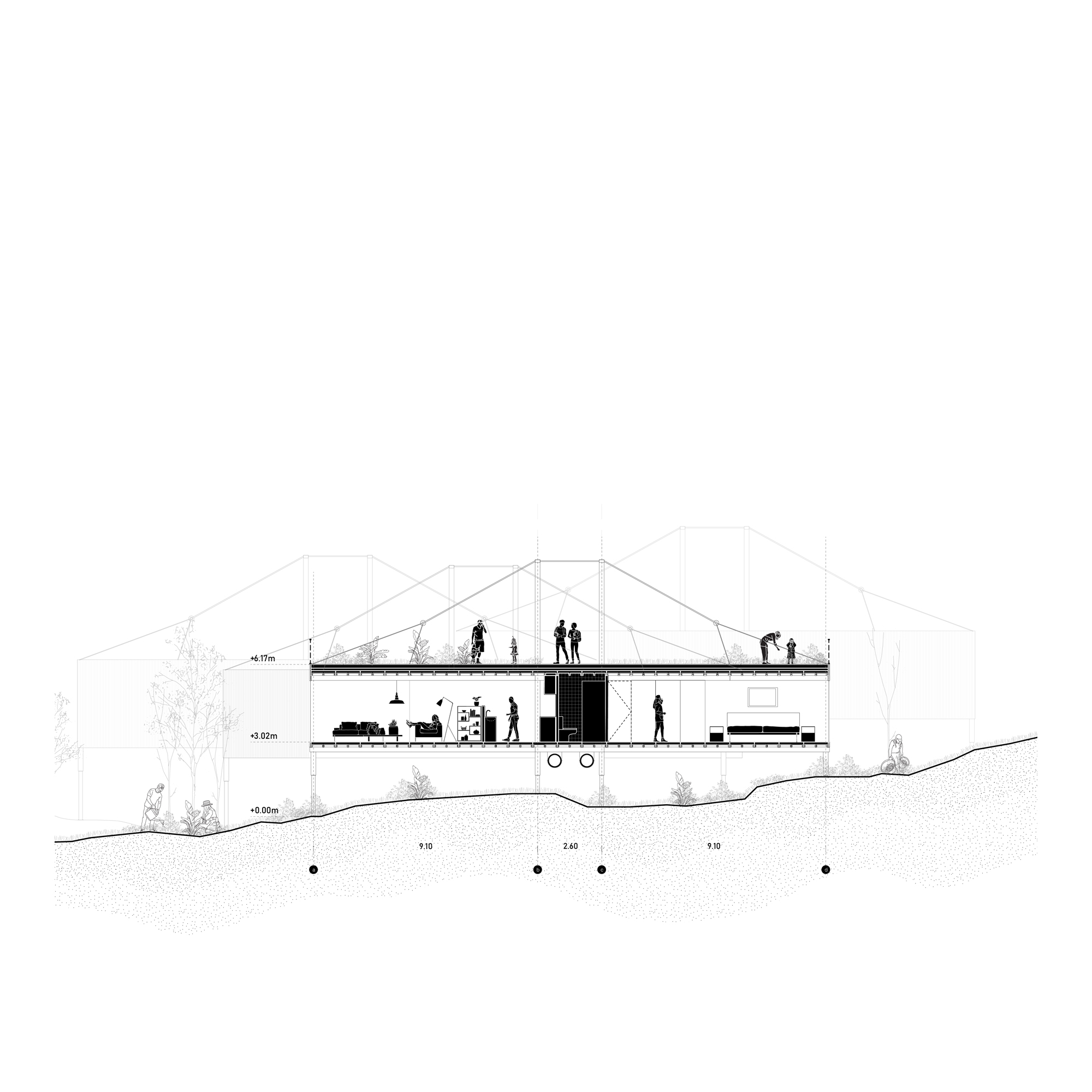
This adaptability extends to the way the project occupies the landscape. In response to La Palma’s changing, volcanic and often abrupt topography, the modules rest on discrete point foundations, minimizing contact with the ground while allowing the same system to adjust to different slopes and conditions. As the units aggregate, they form a kind of mat-building: an expandable network in which housing, circulation and shared infrastructure become part of a common system of supply, energy and services.
Yet the project is not conceived solely as a technical response to risk. Its architecture also seeks to reconstruct the social structures that can be lost alongside the physical home. Inspired by settlements such as Çatalhöyük, where roofs operated as an extended collective ground for movement and encounter, communal life is displaced upwards. The roofs of the dwellings form a continuous inhabited landscape of circulation, gathering and shared activity, transforming what is usually the most private edge of the house into the principal space of the community.
Moving Community therefore understands resilience not as permanence, but as the capacity to adapt, move and transform. It proposes a form of housing in which construction is reversible, the domestic environment is personalizable and collective space is embedded within the very structure of the settlement. In an unpredictable territory, architecture becomes less about resisting change than about creating the conditions to live through it.